Revealing the Mysteries of the San Diego Natural History Museum: Premier Exhibits and Helpful Visitor Advice
The San Diego Natural History Museum provides an impressive collection of displays that highlight the wonders of the natural world. From the intriguing "Fossil Mysteries" and extending to the colorful "Bird Halls," each gallery delivers distinctive perspectives. Groups can take part in engaging exhibits and live animal interactions. However, learning about the museum's heritage and organizing a visit requires more than just curiosity. What important advice can elevate the journey for each attendee?
Best Exhibits to Discover at the San Diego Natural History Museum
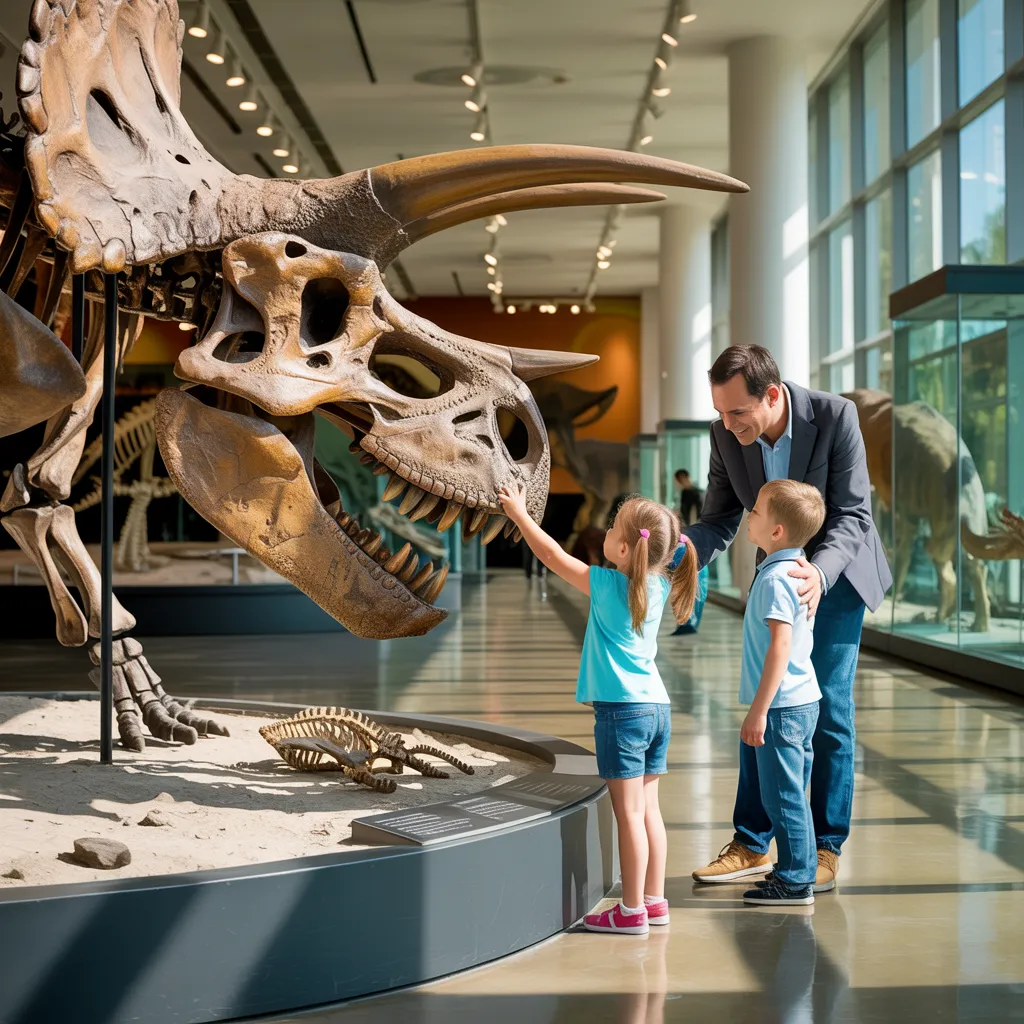
The San Diego Natural History Museum features an impressive variety of displays that highlight the diverse natural heritage of the local region. A standout attraction is the "Fossil Mysteries" exhibition, which highlights the history of life through stunning fossil specimens, drawing in visitors with hands-on features. Another key attraction is the "Bird Halls," where an extensive collection of avian specimens illustrates the region's rich biodiversity.
Moreover, the ''Nature Lab" invites practical engagement, enabling guests to come face-to-face with live animals and be involved in scientific activities. The ''San Diego Ecosystems" exhibit offers an engaging experience, showcasing various habitats and their remarkable flora and fauna.
Finally, the 'Pacific Island' showcase highlights the fascinating aquatic life found in nearby waters. Every exhibit offers an chance for visitors to deepen their understanding of the world of nature, making the museum a top destination for wildlife enthusiasts.
Explore the Museum's Captivating Past
The San Diego Natural History Museum holds a rich history that began with its establishment in 1874. Over the years, it has undergone notable milestones and expansions, reflecting the evolving interests in natural history. This narrative not only highlights the museum's development but also its significance within the community and the preservation of the region's natural heritage.
Foundation and Early Beginnings
Established in 1874, the San Diego Natural History Museum has a remarkable history that mirrors the evolving connection between the city and its natural surroundings. Originally founded as the San Diego Society of Natural History, the museum aimed to compile and protect specimens from the local area. Initial collections featured biological and geological specimens, showcasing the ecological diversity of the region. The museum rapidly developed into a hub for scientific research and education, facilitating a deeper understanding of Southern California's natural history. During its early years, it brought the community together through educational exhibitions and lectures, fostering a sense of stewardship of the natural environment. This foundation laid the groundwork for future growth, establishing the museum as a vital institution dedicated to the natural heritage of San Diego and its surroundings.
Major Milestones and Expansions
As the San Diego Natural History Museum cemented its presence in the community, it achieved remarkable milestones that defined its growth. Founded in 1874, the museum initially focused on local natural history, but its perspective grew over time. A significant expansion took place in 1933 with the erection of a new building, increasing its ability to display exhibits. In 2001, the museum advanced its modernization efforts through the incorporation of the state-of-the-art "Nature Lab" and a new entrance, elevating the overall visitor experience. The 2015 debut of the "Dinosaur Mysteries" exhibit represented another important milestone, attracting thousands of visitors. These expansions reflect the museum's commitment to education and conservation, establishing its standing as a cultural pillar in San Diego.
Exciting Interactive Adventures for Families
At San Diego's Natural History Museum, families can participate in a range of interactive experiences that turn learning into an enjoyable adventure. Engaging science stations allow children to explore scientific concepts, while family-friendly guided tours enhance their understanding of featured exhibits. Furthermore, exciting live animal interactions offer unforgettable and informative experiences for guests of every age.
Hands-On Science Stations
Visitors exploring the San Diego Natural History Museum will encounter a variety of hands-on science stations that provide engaging and educational experiences for all ages. These interactive exhibits invite children and adults alike to discover a range of scientific topics through interactive exploration. From fossil excavation to immersive displays highlighting local ecosystems, each station is designed to spark curiosity and encourage discovery. Guests can enjoy experiences that strengthen critical thinking and problem-solving skills, making the experience both fun and informative. Moreover, the exhibits frequently feature digital technology, enriching the discovery process through cutting-edge digital platforms. Ultimately, these interactive science exhibits represent a vital part of the museum experience, creating lasting impressions that cultivate an appreciation for science and the natural world.
Family-Focused Guided Tours
Guided tours at the San Diego Natural History Museum give families an outstanding opportunity to broaden their appreciation of the exhibits while participating in an immersive experience. With the assistance of experienced and informed guides, these tours cater to all ages, fostering curiosity and engagement. With guides sharing captivating stories and valuable insights, families can discover featured attractions such as the fossil hall and regional biodiversity displays. Young visitors are invited to pose questions and engage in conversations, enriching their educational experience. Because schedules are subject to change, it is recommended that families confirm tour times in advance and book their places whenever feasible. Overall, these guided tours are not only educational but also a delightful way for families to bond over shared discoveries.
Exciting Live Animal Engagements
After the rewarding experience of guided tours, visitors to the San Diego Natural History Museum can participate in exciting live animal experiences that offer a distinctive, hands-on chance to engage with the natural world. These interactive experiences allow families to observe and interact with various species, fostering an appreciation for wildlife. Knowledgeable educators lead participants through the sessions, sharing fascinating facts about the animals and their habitats. Kids can touch, hold, or even feed several of the animals, generating cherished and unforgettable memories. These interactions are intended to be both educational and engaging, making them perfect for family visits. By immersing themselves in these experiences, attendees leave with a more profound understanding of biodiversity and the conservation initiatives critical to the environment.
Upcoming Special Events and Programs at the Museum?
What distinctive offerings are available to visitors at the San Diego Natural History Museum? The museum currently features an array of special events and programs created to entertain visitors of all ages. The "Night at the Museum" series encourages families to discover exhibits after hours, offering interactive activities and guided tours conducted by experienced staff. Additionally, the "Science on the Rocks" event offers adults an evening of cocktails, live music, and interactive science demonstrations.
For individuals looking to expand their knowledge of the natural world, the museum offers educational workshops dedicated to conservation efforts and regional wildlife. Seasonal programs, such as the captivating "Dino Days," engage younger visitors with entertaining and enriching activities focused on paleontology. Additionally, the museum frequently collaborates view resource with local organizations for community-focused events, guaranteeing a broad range of meaningful activities. These programs not only enrich visitors' knowledge but also foster a deeper appreciation for the natural world.
Planning Your Visit: Access Hours and Accessibility Information
Preparing for a trip to the San Diego Natural History Museum demands consideration of the museum's hours and available accessibility features. The museum typically opens daily from 10 a.m. to 5 p.m., giving visitors plenty of time to discover its wide range of exhibits. Visitors are encouraged to review the official website for any seasonal variations or special event hours that may affect accessibility.
When it comes to accessibility, the museum remains dedicated to welcoming all visitors. Wheelchair hire is offered, and the building is structured to be accessible for individuals with mobility challenges. Accessibility-friendly restrooms can be found across the museum, providing ease of access for all attendees. Furthermore, service animals are allowed, improving the visit for guests who need support. By preparing in advance and reviewing these features, guests can secure a more enjoyable and seamless visit to this outstanding facility.
Dining and Shopping Options at the Museum
Those who visit the San Diego Natural History Museum will find a range of retail and culinary offerings that enrich their visit. The facility provides a café space offering a variety of wholesome, locally inspired dishes, snacks, and beverages, making it a welcome destination for both families and individuals. Guests can enjoy casual bites while taking a break from exploring the exhibits.
In addition to dining, the museum's gift shop offers a selection of exceptional souvenirs, enriching toys, and books focused on natural history. Customers can find items that cater to all ages, making it an excellent place to find a souvenir or a special gift.
Insider Tips for a Memorable Museum Experience
What are the best ways to maximize a visit to the San Diego Natural History Museum? Preparing in advance is key. Those attending should look into the museum's timetable for special events or guided tours that elevate the overall experience. Arriving early allows for a quieter exploration of popular exhibits, such as the fossil gallery and live animal presentations.
Using the museum's mobile app can provide valuable insights, featuring maps and comprehensive details about every exhibit. Furthermore, taking advantage of interactive displays entertains and educates visitors of every age.
A strategically timed midday pause at the museum café can recharge energy levels before diving back into exhibits. Finally, engaging with the museum's educational workshops or learning programs can enhance understanding and appreciation for the wonders of nature. By applying these insider tips, museum-goers can secure a memorable and enriching trip to the San Diego Natural History Museum.
Common Questions and Answers
Does the Museum Offer Any Guided Tours?
Guided tours are indeed available at the museum. These tours provide visitors with in-depth information about exhibits, elevating the entire museum experience and allowing for a deeper understanding of the museum's diverse collections and displays.
Is It Possible to Bring My Pet to the Museum?
Animals are not allowed inside the facility. We kindly ask visitors to arrange appropriate care for their pets to guarantee a pleasant experience for everyone present and the exhibits throughout the venue.
Is Camera Use Permitted Inside the Exhibits?
Photography is commonly accepted inside the exhibits, but the use of flash and tripods might be restricted. Guests are advised to review the particular rules for each display to verify compliance with the facility's rules concerning photography.
Are There Membership Options for Frequent Visitors?
The museum features several membership options catered to regular visitors, delivering perks such as unlimited admission, reduced pricing on events, and exclusive entry to special exhibits. Membership improves the full experience for loyal patrons.
What Safety Precautions Are Followed at the Museum?
The museum enforces numerous safety precautions, including consistent sanitation of frequently touched surfaces, obligatory face masks, physical distancing measures, and occupancy limits to provide a safe and comfortable environment for visitors and staff alike during their visit.